$18.96
$36.79
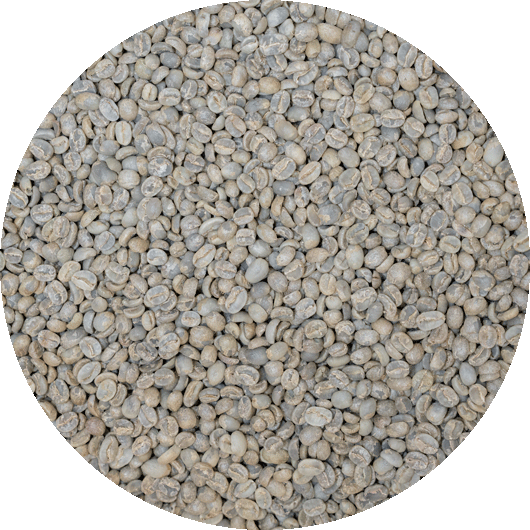
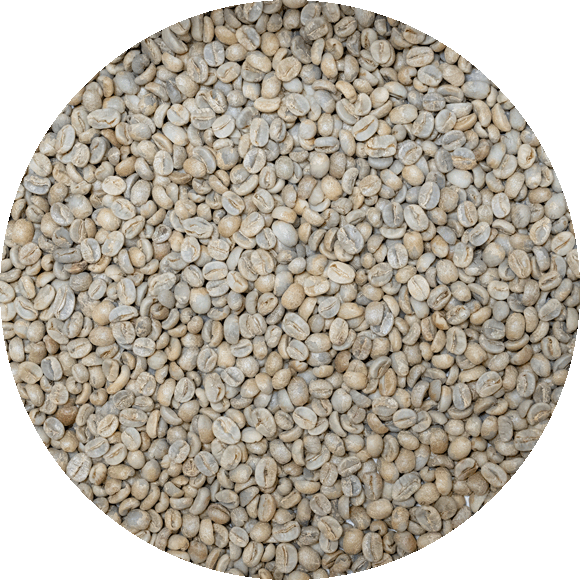
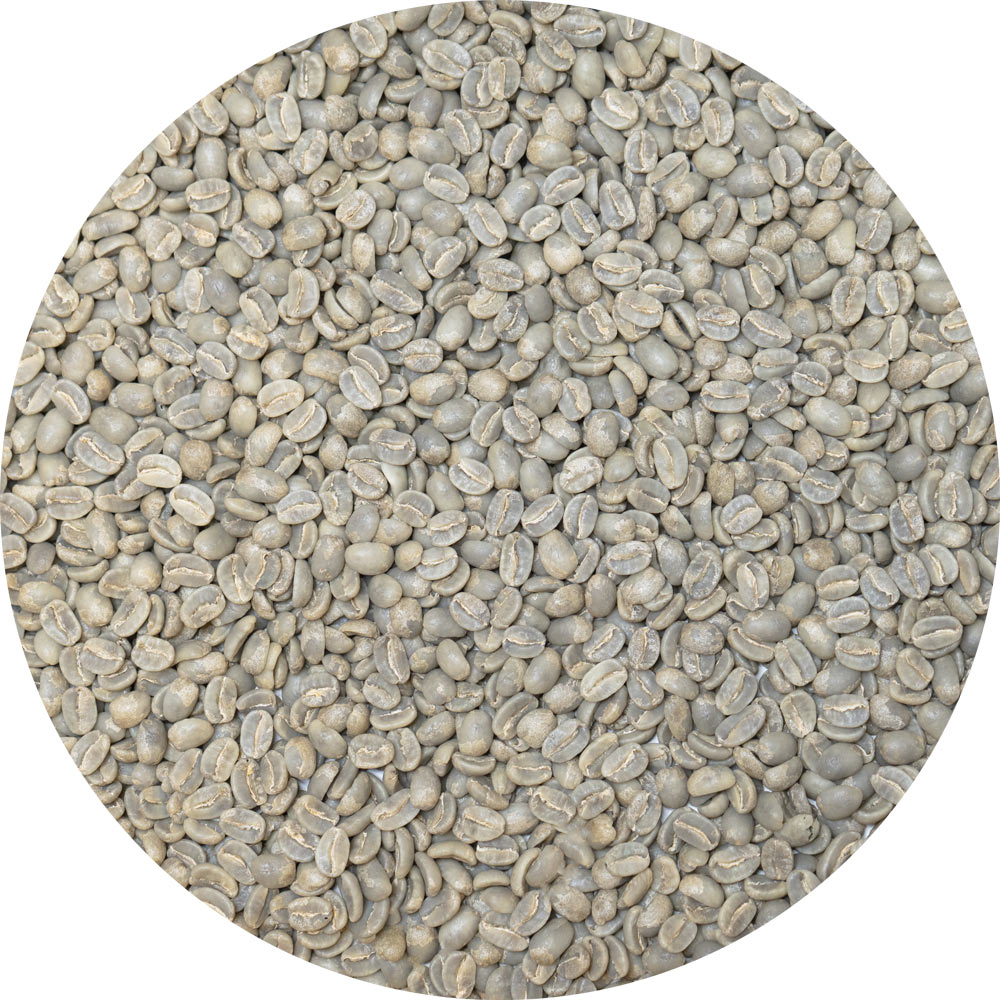
Description BCT’s coffee special includes three of our best dark roast coffees. Featuring our: Brazil Mogiana Guaxupé 17/18 FC SS A lovely Brazil arrival. Smooth, clean and rich, these beans make an awesome single origin cup, or blend base. This is a Fine Cup (FC) and Strictly Soft (SS), the highest cup category in the Brazilian coffee grading. 17/18 refers to the size of the beans, which is strictly large bean. As the world’s largest coffee producer, Brazilian lots often come from larger estates that use highly mechanized processing strategies to manage larger volumes. The Mogiana region, split between the states of São Paulo and Minas Gerais, is the most renowned of three major Brazilian growing regions. This region has rolling hills and uneven terrain lending to farms that are small to medium in size. This particular lot comes from Cooperativa Regional de Cafeicultores em Guaxupé (Cooxupé), which was established in 1937 and currently has 14,000 active members. Producers typically have farms that average 60 acres in size. Each producer cultivates and harvest their own cherries and places them on patios to dry to 15 percent moisture after which the coffee is moved to mechanical driers to precisely finish the drying to 11 percent moisture. Coffee is carefully stored until it is time for milling and export, which all takes place at the Cooxupé dry mill where traceability and quality control are carefully managed so each producer can be paid according to the quality of their coffee. Tasting notes: Best from medium to dark roasts. Lighter roasts show a sweet edge with lemon, floral & soft fruit, contrasted by a nuttier (almond like) darker undertone. With a little setup, the tones will combine to provide hints of caramel, a very tasty cup especially for the price. Too close to first crack will throw some herbal tones, but not far after first crack it will taste clean and defined. Medium roasts are richer, more of a developed chocolaty tone and decently less nutty; mutes up the sour floral edge, retains a little hint of soft fruit as the cup cools. Fairly neutral tasting and very chuggable. Darker promotes a thicker body and introduces a slightly bitter contrast that works very well for espresso. Roasting Notes: A nice large screen, fairly even roasting bean (will see a couple beans lighter than the others). Medium to high chaff. Avoid light roasts unless you like sharper cups, quite tasty but will have a little acidity which many Brazil fans will shy away from. Most will like it best at a medium roast, especially for single origin drinking, or into the darker roasts for blending. More Green Coffee Bean Information: Guide to coffee processing methods Guide to coffee varieties/cultivars Indonesian Sumatra Gr. 1 Takengon Mandheling “Mandheling” is one of the broadest coffee trading terms for a regional blend in Indonesia, applying to almost any blend of wet-hulled coffees from across the northern half of the island of Sumatra that suit a generic cup profile that is heavy on the palate, earthy in balance, and complex. Regional coffee blend distinctions in the northern provinces of Sumatra were originally based on human ethnicity, rather than geography: Mandheling is a widespread cultural group found across Sumatra and Malaysia; “Batak”, to use another example, is a Mandheling sub-ethnicity based around Lake Toba and considered a smaller regional coffee pedigree unto itself, and often marketed as such. The large majority of coffee blends labeled “Mandheling” tend to be drawn from across a variety of local parchment collectors across two main coffee producing provinces, both of which are fortified with volcanic soils: Aceh and North Sumatra. Aceh province (pronounced AH-CHEY) is the northernmost province of Sumatra and its highland territory, surrounding Lake Tawar and the central city of Takengon, is considered to be the epicenter of one of the world’s most unique coffee terroirs. North Sumatra province, just below Aceh, is a varied territory with high elevation grasslands, mountain ranges, and the massive Lake Toba, another of the island’s most famous coffee producing areas. Tasting Notes: A very clean traditional Sumatra cup. Best from medium to dark roasts. Fuller bodied with some nice exotic incense spice notes intermingled with a bakers chocolate and smoky cup profile. Light roast are not recommended (for almost all Indo coffees). Medium roasts were nice and balanced, a little lemony acidity upfront mixing with a bunch of spice and hints of an earthy slightly peaty chocolaty factor; a decent roast point for pour-overs or drip. Darker roasts were fuller bodied and very smoky with the spice lingering in the aftertaste, very low acidity; good for dark roast fans, espresso or blend bases. Roasting Notes: A nice screen for a Sumatra makes it a bit easier to roast then many Sumatra beans. Low in chaff due to the processing (wet-hulled). A longer setup is nice for this cup, gives much more rounded edges and smooth characteristics. Very light roasts are to be avoided, a medium to dark roast matches the cup profile very nicely. Sumatra’s smallholder coffee is a complicated process. Notably, processing is typically not overseen by a single individual or team; instead, coffee moves task by task through different parties before reaching its final, fully-dried, state. Coffee farms tend to average 0.5-2 hectares each. Every coffee village has a collector (or more) who receives fresh-picked cherry, or humid parchment, for processing each day. Once a batch of coffee has been depulped, fermented overnight, washed clean, and then quickly sun-dried to the touch, each collector then delivers the batch to a central miller. It is at the mill where the coffee is mechanically hulled of its parchment, leaving behind just the soft, high-moisture coffee bean (thus earning the term “wet-hulled”), all of which is spread out on large patios to continue drying. Honduran SHG EP COMSA Washed Processed Finca Humana (the Human Farm) is the first thing you will hear about Café Organico Marcala, S.A. (COMSA) if you make your way to visit this cooperative in Marcala, Honduras. The wellbeing of humans is foundational to the COMSA philosophy and educating more than 1,500 producer-members to successfully live in harmony with nature is everywhere at COMSA. It starts with the La Fortaleza, the COMSA biodynamic demonstration farm where the focus of transferring knowledge takes place through week- long seminars called Pata de Chucho (pawprints left by a stray dog), which aptly reveals COMSA’s dogged exploration for human productivity in harmony with nature. The trailblazing ideas for using organic matter to productively cultivate high quality coffee is only a sliver of what COMSA teaches about the power of nature through the Finca Humana philosophy. COMSA dedicates significant funding from the proceeds of coffee sales to run a cutting-edge international school dedicated to filling children’s minds with possibility and training them to be the future leaders of Finca Humana. What makes it so good? The fundamentals: traceability to the Marcala region, which is a protected designation of origin (DENOMINACION DE ORIGEN CAFE DE MARCALA); meticulous post-harvest hand sorting of cherry; cherry floating to remove less dense beans; proper fermentation; long drying times; and a healthy dose of the COMSA philosophy and training. Tasting Notes: This cup is nice and chocolaty, lower acidity and medium bodied. A little sweeter edge to it except for super dark roasts. Besides a chocolaty factor one will get some herbaceous nutty/caramel/floral like tones at the medium to dark roast points, gives it some nice complimenting depth without being too exotic. We all thought it was at its best right around a full city – smooth without too much of a roasty note and great chocolaty tones. Roasting Notes: Easy to roast but will roast two-toned. Medium to low chaff. This is an aggregate production coffee which includes multiple strains and pickings. Produces a long first crack and the finished product will have beans in the medium-dark roast range. This is what helps it achieve a full flavored and balanced cup, the slightly lighter beans push out a little floral sweetness, the dark beans provide the rich semi-sweet chocolate tones. An easy and tasty roast point is just touching 2nd crack.
Green Coffee Beans