$17.63
$30.5
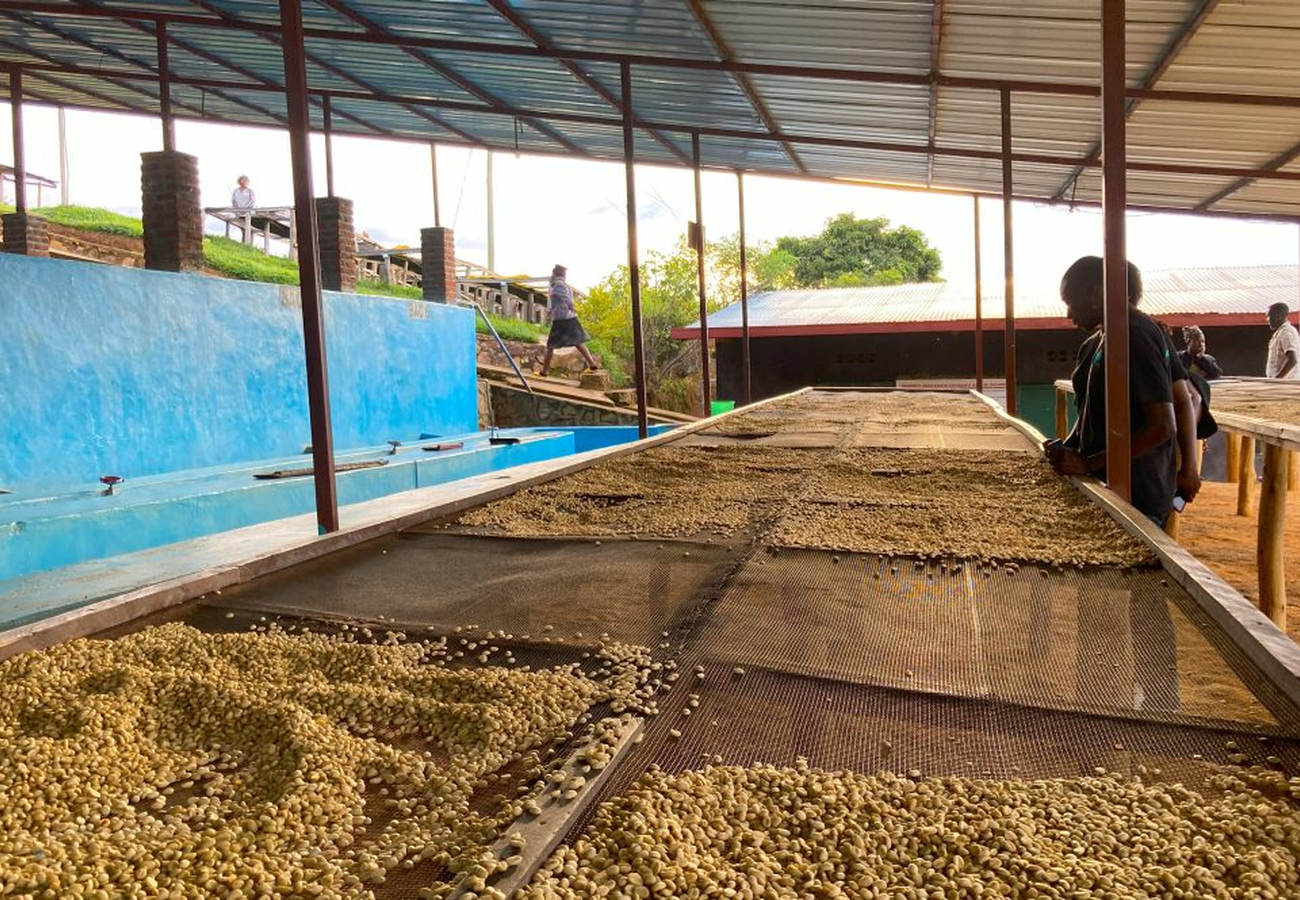
Description Natural Processed coffees are very different from washed processed. Fruity ferment like tones will dominate the cup. Sweet, slightly floral with some citric acidity. This is a wild old world example of a natural, similar to Bali Kintamani Natural but with more acidity upfront. This year is amazing clean for a PNG natural, although there is no missing its old world roots, you can expect a clean, balanced and decently fruit forward cup. From its earliest introduction to present day, the arabica gene stock in Papua New Guinea (PNG) is considered to be one of the country’s strongest natural assets, not to mention one of the best-preserved Typica lineage variety sets in the world. And these delicate genetics clearly thrive in PNG’s highlands, which are some of the most virgin and fertile on the planet. Between World Wars I and II, Australian settlers would establish more and more large coffee estates across the Eastern, Chimbu, Jiwaka, and Western highland provinces. As commercial exports ramped up, more indigenous Papuans would adopt coffee as a cash crop alongside their traditional economies, in most cases processing at home and selling humid parchment to traveling collectors. For hundreds of thousands of rural farmers coffee would be, and still is, the very first and only source of western currency. To this day expert-level cultivation knowledge largely remains in the possession and experience of PNG’s plantation owners. Remote smallholder coffee tends to fall short of its potential, receiving only scarce quality interventions from ambitious millers and exporters. Tasting Notes: It yields an excellent cup at any roast level, great from light to dark, Our favorite roast point was a nice medium roast, best balance of tones and very easy drinking. The aroma is distinctly fruity and complex adding wonderfully to the tastes. A lighter roast presents a sweeter cup, more dominate fruity/floral notes. A fuller body true to its PNG roots, a more pronounced citrus acidity, accompanied by unique red fruit undertones (evoking hibiscus flower and fruit peel), all balanced by an earthy, semi-sweet contrast reminiscent of malt. If the roast is taken a little further, the profile becomes more chocolatey and denser in body; it remains incredibly sweet, but with only a faint fruity hint less sharp eliminating much of the citrus character. Darker roasts exhibit a distinct baking-chocolate tone slightly smoky with a red fruit note, almost cherry-like, that emerges strongly as the cup cools. Roasting Notes: If you are unaccustomed to roasting “Old World” natural-process coffees, be prepared to observe some unevenness in the roast and a high presence of chaff. This is typical for a coffee with these characteristics. Generally speaking, it is easy to roast; however, if you prefer a light roast, you must monitor it closely to ensure that not too many golden or pale-colored beans remain before cooling it out, otherwise run the risk of developing a slight almond or peanut-like nuance. The result is flavorful at any roast level (from light to dark). It is an expressive cup that performs much better if allowed a couple extra days to rest; really smooths out the cup and brings greater depth to the flavors. This unique natural lot is made possible by Monpi Coffee, a miller and exporter based in both Garoka and Mt. Hagen, the two main coffee industry hubs in PNG’s highlands. Monpi also partners with independent washing stations and occasionally commissions specific processing styles in collaboration with participating growers. In this case, Monpi worked with the Kindeng Wet Mill to sort and separate exemplary cherry prior to the typical depulping phase, and directly dry the fruit as a full natural, a process that takes a full month in Jiwaka’s cool highlands. Once the drying is complete, the coffee is transported to Monpi’s Kagamuga dry mill for hulling, and finally fully milled for export in Garoka. In addition to value-added processing programs like this one, Monpi also maintains a business unit dedicated to supporting smallholders directly through training and community support. Called Sustainability Management Service (SMS), the team oversees trainings throughout the year that address agricultural practices, gender equality, youth inclusion, climate change mitigation, and environmental preservation. The Kagamuga dry mill is also developing a coffee nursery to provide new plantings to local farmer networks, to support productivity for their farmers for the long term. To learn more about PNG’s unusual coffee industry, check out our recent blog article “The Wild West of Coffee Production.”
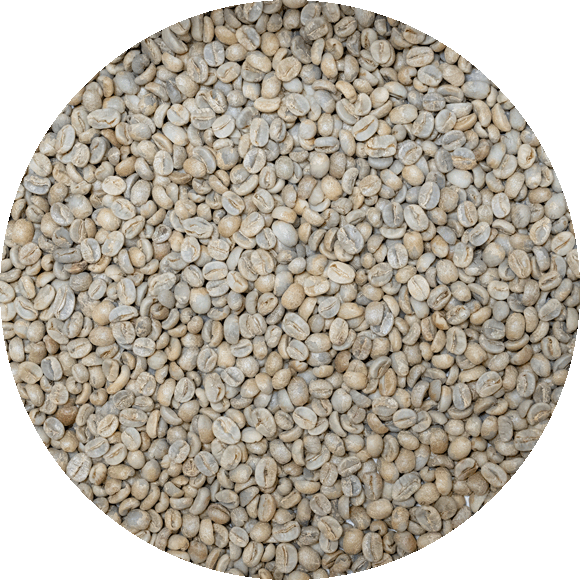
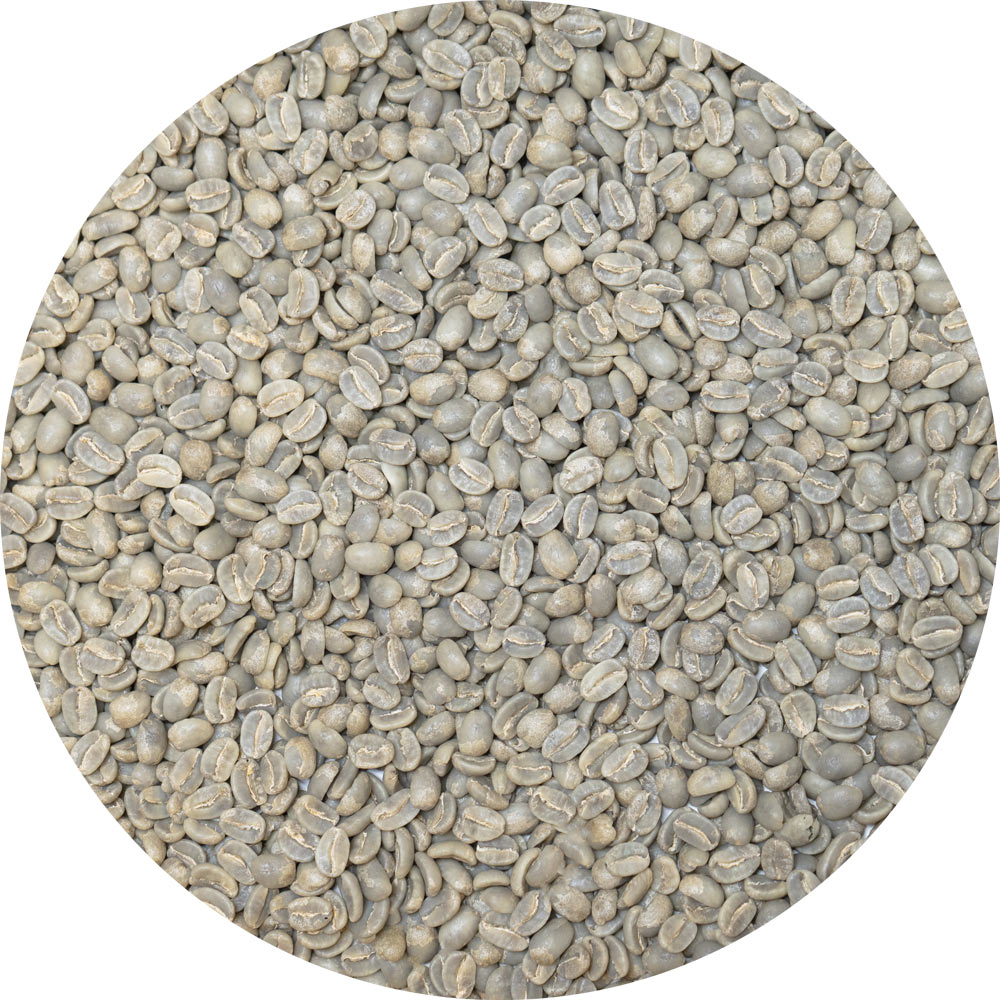
Green Coffee Beans