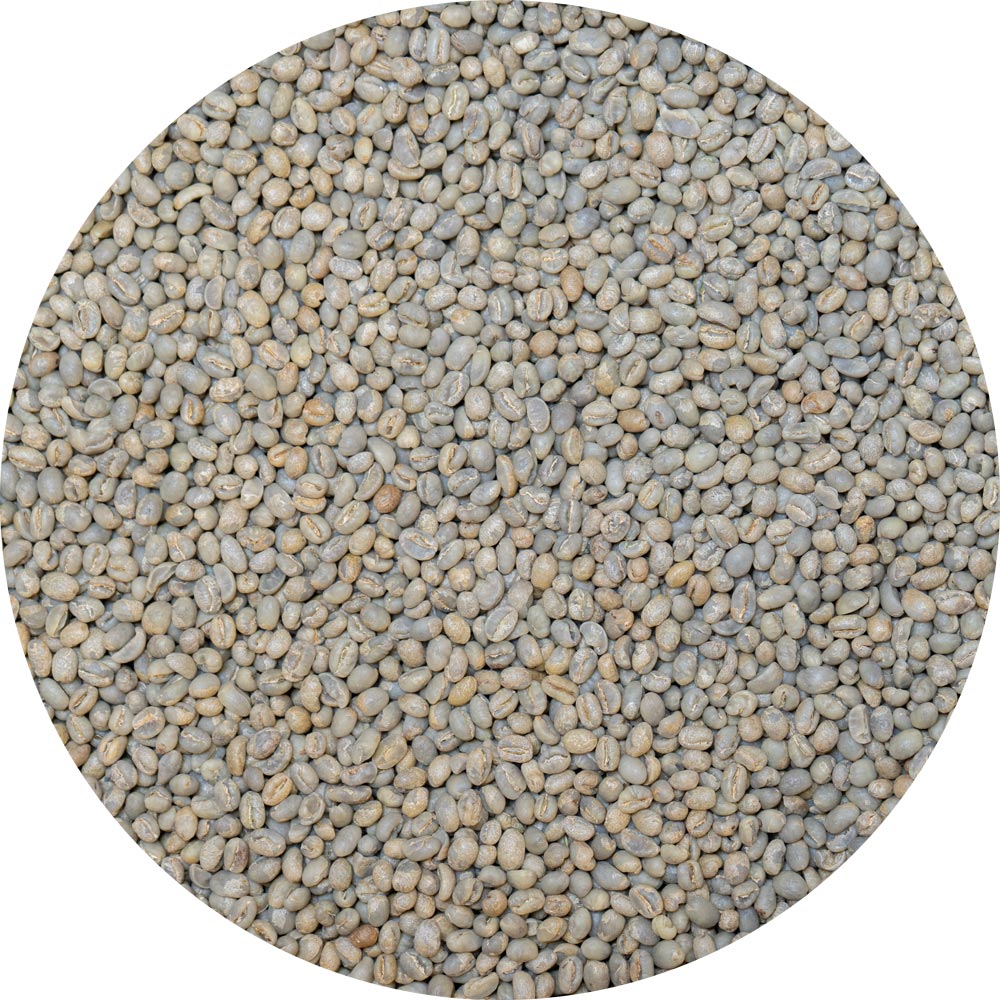
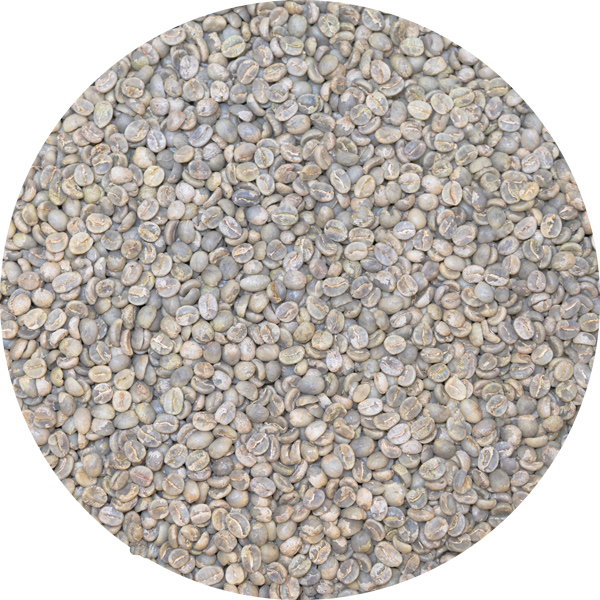
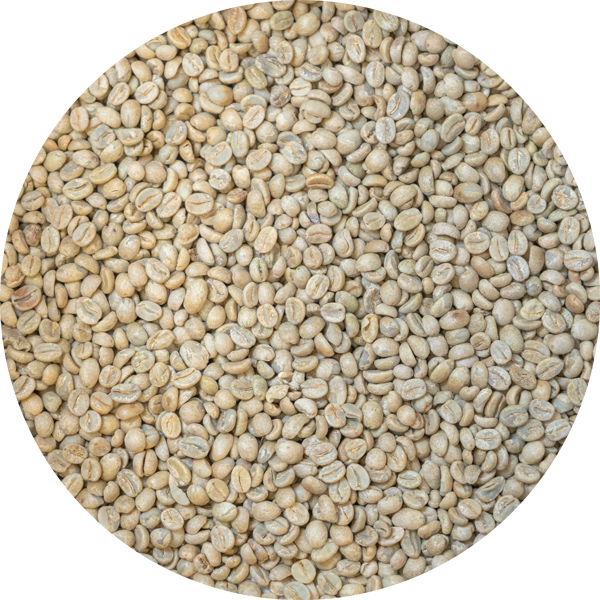
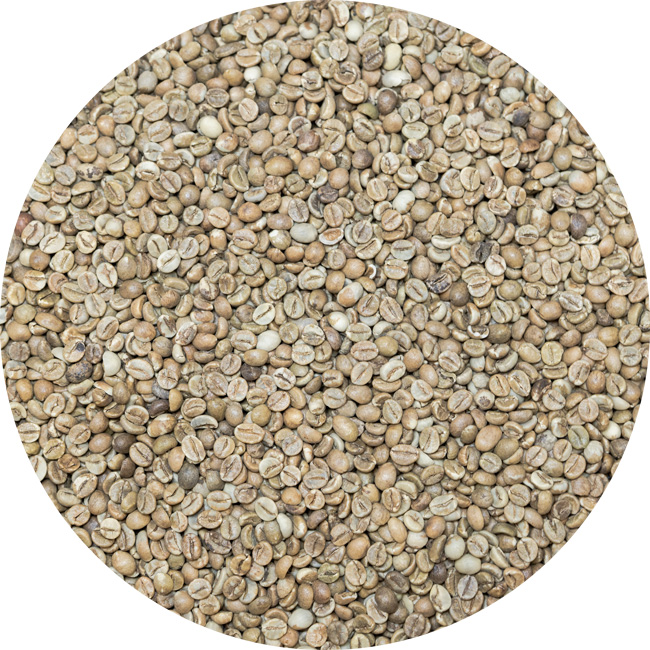
Description Tanzania BCT Select Peaberry is sourced from a group of 235 family-owned farms located in the Mbozi district within the Songwe region of Tanzania. Producers harvest and deliver cherry to a centralized processing station where the coffee is depulped, fermented, washed and dried. The aggregate processing stations have been established in the last three years to provide producers with a centrally located processing facility that can process coffee more consistently and ensure better quality, which then results in better prices from the international market and more money funneling down to the small holder farmers. Part of what makes Tanzania coffee so good is the processing is still done the old way, by hand. While most washed processed these days use mechanical machines to remove the fruit instantly. These are put through an old world washed processing which includes hitting a fermentation to loosen and remove the fruit. Depulped the same day they’re harvested, then fermented in cement tanks for anywhere from 24–72 hours to get the fruit off. They are then washed clean of mucilage and sorted through water channels before being spread on raised beds to dry, or dried in mechanical driers (if weather is bad). Sometimes they are given a 8–12-hour post-washing soak before they are dried, which is classically what made Kenyan coffee so famous (double washing) but is seldomly used these days. Tasting Notes: Tanzanian peaberry is always high on our list for darker roast beans: rich and chocolaty cups with robust and unique spice notes. This one being fresh as can be works pretty well from light to dark, if too light it can get a little grassy/herbal, but a clean and balanced cup with just a little development past first crack, a city roast they would call it. Retains its cleanliness into the darker roast points. Lighter roasts are going to be more acidic, not quite like a Kenya but a pretty clear citric edge balancing with a little hint of chocolate. Hit the roast right and you will see a pinch of caramel sweetness with a longer setup, but get it a bit too light, will have an herbal edge. Medium to dark roasts are pretty bullet proof. Medium will still show a hint of acidity, darker will lose it all. Either roast level will be nice and chocolaty with some spice behind it. If your a cold brew fan, lighter roasts points were pretty awesome, no risk of herbal and it popped out the sweeter caramel note much easier, a lighter bodied and sweeter cup. Roasting Notes: For most, a medium to dark roasts will be preferred: lighter roasts can be a little acidic and won’t developer the richer chocolate factor found at fuller roast levels. Pretty even roasting, medium to low chaff levels. Peaberries do not move quite as well in air roasters, often wise to reduce batch size just a pinch for better rotation. We found a quicker roast accentuates some of the sweeter tone and crispness which was a good thing. Screen of coffee is medium to small beans, average sized for a Tanzania Peaberry. Amaretto, spices, and mild fresh coffee cherry flavors with tart acidity and mild fruit-like sweetness. Peaberries are a naturally occurring mutation of the coffee seed that forms a single, small, rounder unit than the two “flat beans” that typically sit face-to-face inside a coffee cherry. While somewhere between 5–12 percent of any yield can be expected to naturally develop peaberries, some coffee varieties and origins tend to see higher occurrence of them, while in others they are uniformly sorted out of each lot in order to maintain screen-size uniformity. In the case of Tanzania, the majority of the coffee exported is bought by Japanese roasters, who prize bean-size uniformity and see peaberries as being an undesirable defect. For this reason, the peaberries are often unsold to the Japanese market, and are the majority of what is available to Western buyers. Some swear by peaberries having a degree of flavor potency that normal flat beans lack, and others can’t tell the difference. They do tend to be slightly pricier on account of both their more limited quantity (since peaberries occur in a smaller percentage of coffee overall) and the labor involved in sorting them out.